

Most Frenchie owners learn this the hard way, watching their dog scratch herself raw for weeks while using a shampoo labeled “gentle for dogs.” The shampoo was wrong. And it was making everything worse.
If your French Bulldog deals with sensitive skin, allergies, or dandruff, the shampoo aisle feels rigged. Every bottle promises the same thing. But Frenchies aren’t just small wrinkly dogs, their skin is genuinely different, and what works for a Labrador can leave a Frenchie itchier, flakier, and more uncomfortable than before.
This guide cuts through the noise. By the end, the right ingredients will be clear, the harmful ones will be obvious, and each skin concern, sensitive skin, allergies, and dandruff, will be addressed with the kind of detail vets actually use in their treatment plans.
Table of Contents
Why French Bulldogs Have Such Sensitive Skin
French Bulldogs aren’t just sensitive by personality, their skin tends to be naturally reactive, with a pH balance that’s easily thrown off by harsh grooming products. Many Frenchies are also genetically predisposed to allergies, which makes shampoo selection a real health decision, not just a grooming one.
According to veterinary data, close to 30% of Frenchies experience some form of allergy during their lifetime. The most common triggers are food ingredients and environmental allergens, pollen, dust mites, grass, and household chemicals, things almost impossible to avoid completely.
There’s also a structural reason. Frenchies have deep nasal folds, lip folds, neck rolls, tail pockets, and folds around the ears. Every one of those areas traps moisture, dirt, and skin oils, and that warm, dark, damp environment is the perfect breeding ground for yeast (Malassezia) and bacteria.
So bathing a Frenchie is never just about cleanliness. It’s active skin care, and the wrong product turns it into active damage.
The Biggest Mistake French Bulldog Owners Make at Bath Time
Before getting into ingredients, one mistake gets made far too often, bathing too frequently.
Over-bathing strips natural oils, disrupts skin pH, and can actually worsen the exact problems owners are trying to solve. Most veterinary dermatologists recommend bathing a healthy Frenchie once every four to six weeks. But the right frequency really depends on life stage and skin status:
- Healthy adult Frenchies: every 4–6 weeks, or sooner if visibly dirty
- Puppies: gentler and less often, usually 4–6 times a year, using a tear-free puppy formula
- Allergy-prone Frenchies: sometimes weekly medicated baths, but only under veterinary supervision
- Outdoor or active Frenchies: slightly more often (every 3–4 weeks) using a gentle, pH-balanced formula
- Senior Frenchies: slightly less often, since older skin produces fewer protective oils
Between baths, skin folds should be cleaned with pet-safe wipes two to three times per week, daily for Frenchies with deep folds or known dermatitis history.
The takeaway: less bathing, better shampoo, sharper fold care.
What to Look for in a French Bulldog Shampoo
Not all dog shampoos are equal. For Frenchies, these are the gold-standard ingredients:
Colloidal Oatmeal
Oats contain beta-glucan (a hydrating sugar) and avenanthramides (anti-inflammatory compounds). Together, they soothe itch, calm redness, and gently moisturize. Veterinary dermatologists routinely recommend oatmeal-based shampoos for sensitive-skinned breeds.
Aloe Vera
A natural anti-inflammatory that calms reactive skin without harsh chemicals. Particularly effective after outdoor exposure when pollen and grass allergens cling to the coat.
Coconut Oil
Adds moisture, is gently antimicrobial, and forms a protective barrier on the skin surface. Helpful for Frenchies with dry, dull coats.
pH-Balanced Formula (5.0–7.0)
Matches a dog’s skin acidity. This is non-negotiable for Frenchies and the single biggest reason human shampoos cause damage.
Hypoallergenic Label
For allergy-prone Frenchies, hypoallergenic isn’t a buzzword, it’s the baseline.
What to Avoid (Ingredients That Harm Frenchie Skin)
These ingredients show up in cheap dog shampoos and most human shampoos. All of them can make a Frenchie’s skin worse:
- Sulfates (SLS, SLES): strip natural oils aggressively
- Artificial fragrances (“parfum”): one of the most common contact-allergy triggers
- Parabens: preservatives linked to skin reactions
- Alcohol: extremely drying, disrupts pH
- Artificial dyes: purely cosmetic, zero skin benefit, allergy risk
A simple habit goes a long way: scan the first five ingredients on the label. If sodium lauryl sulfate, fragrance, or any “-paraben” appears, put the bottle back.
Can You Use Baby Shampoo or Human Shampoo on a French Bulldog?
No, neither baby shampoo nor regular human shampoo is safe for a Frenchie, even as a one-time emergency wash.
Human skin sits at a pH of around 5.5. Dog skin sits closer to 7.0. A shampoo formulated for one will damage the other. Human shampoos disrupt a Frenchie’s protective acid mantle, leading to dryness, irritation, itching, and in worst cases, secondary bacterial or yeast infections in the skin folds. Baby shampoo is gentler than adult shampoo but still wrong-pH for dogs.
If a Frenchie ever needs an emergency clean and no dog shampoo is available, plain lukewarm water and a soft cloth is the safer option until proper shampoo can be bought.
Best Shampoo for French Bulldogs with Sensitive Skin
Sensitive skin in Frenchies usually shows up as redness after bathing, scratching that won’t quit, or a coat that always looks dull and dry. If any of those sound familiar, the current shampoo is likely stripping protective oils.
For sensitive skin, the priorities are:
- Fragrance-free or naturally scented formulas
- Short ingredient lists (fewer chemicals = lower reaction risk)
- Soothing agents like colloidal oatmeal, aloe vera, and chamomile
- Moisturizers like shea butter, lanolin, argan oil, or jojoba oil
- No sulfates, parabens, or artificial dyes
Always patch test before a full bath. Apply a small amount of new shampoo behind the ear or on the belly, rinse, and wait 24 hours. If there’s no redness or itching, it’s safe for full use.

- Made in the USA – Our oatmeal formula pet shampoo is pH balanced, alcohol free, paraben free, PEG-80 free and is highly …
- Oatmeal Formula – This coconut lime verbena scented pet shampoo is great for moisturizing dry skin, cleaning dirty coats…
- Less is More – Wahl has a higher concentrate of a coconut-derived sodding agent, which means you don’t have to use as mu…

- Deep Clean – Oatmeal shampoo for dogs gently removes dirt while hydrating & moisturizing pet’s skin.
- Itch Relief – Dog and cat shampoo exfoliates and conditions pet’s coat for fast itch relief.
- Soothing & Effective – With Apha Hydroxy to reduce inflammation, plus soothing Oatmeal & Vitamin E.
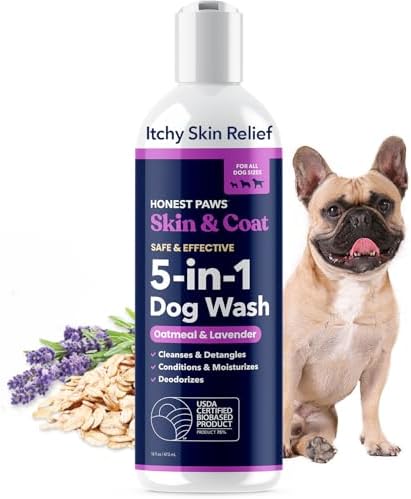
- Five Benefits In One Wash – Cleans, deodorizes, conditions and detangles coat, moisturizes skin– Honest Paws Skin and C…
- Safe, Non-irritating, Natural Ingredients – Other brands claim to be natural but only have less than 1% of natural ingre…
- So Soft, Clean, And Shiny – This wash uses the hydrating properties of soothing oats and aloe that replenishes the skin’…
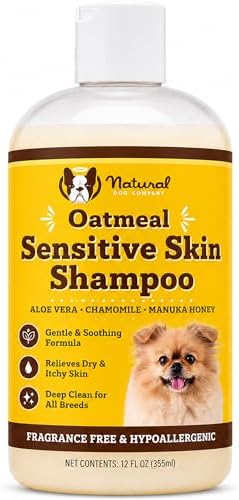
- Gentle Oatmeal Shampoo for Sensitive Skin: Natural Dog Company Sensitive Skin Shampoo is a hypoallergenic dog shampoo ma…
- Colloidal Oatmeal + Aloe Skin Support: Made with colloidal oatmeal to help soothe and moisturize, aloe vera to support s…
- Made With Nourishing Coat-Loving Ingredients: Mango butter, coconut oil, argan oil, chamomile extract, calendula, Manuka…
Best Shampoo for French Bulldogs with Skin Allergies
Allergies are one of the most frustrating issues Frenchie owners face. French Bulldogs are prone to three allergy categories: food allergies, environmental (atopic) allergies, and contact allergies, and shampoo plays a role in all three.
Contact allergies, triggered directly by grooming products, are especially sneaky. Household cleaning agents, detergents, and yes, dog shampoos themselves can all be the culprit.
For allergy-prone Frenchies, shampoo becomes part of the treatment plan, not just a grooming choice. Look for:
- Hypoallergenic formulas with no fragrances or dyes
- Colloidal oatmeal and aloe vera as primary active ingredients (both calm histamine-driven itch)
- Tearless formulas (allergy-prone Frenchies often have sensitive eyes too)
When Medicated Shampoo Is the Right Call
If a vet has diagnosed atopic dermatitis, recurring yeast, or bacterial skin infections, a medicated shampoo enters the picture. The two active ingredients that show up again and again in vet protocols:
- Chlorhexidine (usually 2–4%): broad-spectrum antibacterial. Effective against staph and other common skin pathogens. Found in shampoos like Douxo S3 PYO and Virbac KetoChlor.
- Ketoconazole (usually 1–2%): antifungal. Targets Malassezia, the yeast responsible for the classic “Frito feet” smell and dark, thickened skin in folds. Often combined with chlorhexidine for dual action.
Medicated shampoos are not regular grooming products. They need 5–10 minutes of contact time on the coat before rinsing, and they’re usually prescribed on a specific schedule (often twice weekly, tapering to weekly). Never use one long-term without veterinary direction.
For environmental allergies, adding omega-3 and omega-6 fatty acid supplements to the diet often reduces inflammation from the inside out. Shampoo manages symptoms, diet, environment, and vet care to address the root.
If symptoms persist after switching to a hypoallergenic shampoo, a vet visit isn’t optional. Skin allergy patterns need a real diagnosis (skin scrape, cytology, sometimes allergy testing) to treat correctly.
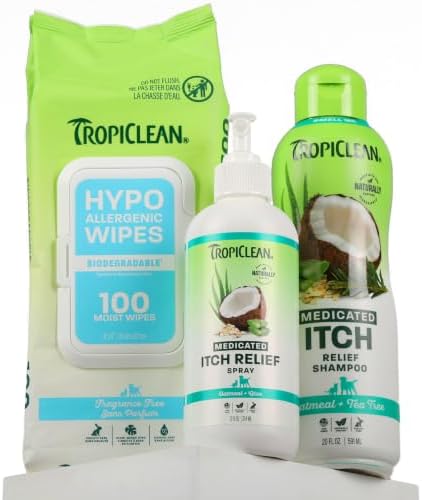
- Deep Clean – Oatmeal shampoo for dogs gently removes dirt while hydrating & moisturizing pet’s skin.
- Itch Relief – Dog and cat shampoo exfoliates and conditions pet’s coat for fast itch relief.
- Soothing & Effective – With Apha Hydroxy to reduce inflammation, plus soothing Oatmeal & Vitamin E.

- COLLOIDAL OAT FLOUR SOOTHES ITCHY, DRY SKIN: Colloidal oat flour penetrates the coat during bathing to help calm irritat…
- HONEY MOISTURIZES AND CONDITIONS THE COAT: Honey naturally conditions the coat during shampooing, helping reduce post-ba…
- PH BALANCED FOR CANINE SKIN: Formulated for dogs’ higher skin pH rather than human skin pH, supporting the natural skin …

- REMOVES ORGANIC BUILDUP; Pro Pet Works’ oatmeal dog shampoo harnesses aloe vera almond oil to clean deep; Our gentle oat…
- SOOTHING HYDRATION; Aloe and almond oil provide effective dog itching skin relief; This nourishing dog shampoo sensitive…
- PURE INGREDIENTS; We use quality extracts in our organic dog shampoo to ensure safety; Pro Pet Works’ pet shampoo for do…

- SOOTHING RELIEF FOR ITCHY SKIN: Vet’s Best Allergy Itch Relief Shampoo provides gentle, natural relief for dogs sufferin…
- CLEANSES & COMFORTS SENSITIVE SKIN: This soothing dog shampoo washes away allergens, relieves itching, and nourishes sen…
- DOG SHAMPOO SENSITIVE SKIN NATURAL REMEDY: Vet-formulated with oatmeal, d’limonene, and tea tree oil to calm red, itchy …
Best Shampoo for French Bulldogs with Dandruff
Frenchie dandruff, those white flakes showing up on dark furniture, usually points to a dry or imbalanced scalp, not poor hygiene.
For mild dandruff, the approach is simple:
- Choose shampoos with colloidal oatmeal, which gently exfoliates dead skin without over-drying
- Add a leave-in conditioner after bathing to lock in moisture
- Brush 2–3 times per week with a soft-bristle brush, this alone reduces flaking by redistributing natural oils
- Add omega-3 supplements to the diet (fish oil or krill oil are the most-recommended)
For persistent or severe dandruff (seborrhea), medicated shampoos containing coal tar, salicylic acid, and colloidal oatmeal are antifungal and antiseborrheic. These are best used under veterinary guidance.
⚠️ If dandruff comes paired with a greasy coat and strong odor, that’s not dandruff, that’s likely a yeast infection, which needs a different treatment plan entirely.

- Made in the USA – Our oatmeal formula pet shampoo is pH balanced, alcohol free, paraben free, PEG-80 free, and is highly…
- Oatmeal Formula – This pet shampoo is great for moisturizing dry skin, cleaning dirty coats, & itch relief. The thick la…
- Less is More – Wahl has a higher concentrate of a coconut-derived sodding agent, which means you don’t have to use as mu…

- Leave In Conditioner For Dogs that hydrates, conditions, and moisturizes both skin & coat. Simply rub the dog lotion int…
- Works On All Coats – This dog after bath conditioner applies to a dry coat, and leaves the fur shiny and smooth without …
- Dog Leave In Conditioner for Dry Itchy Skin & Dandruff- This dog lotion for dry skin contains special humectants that dr…
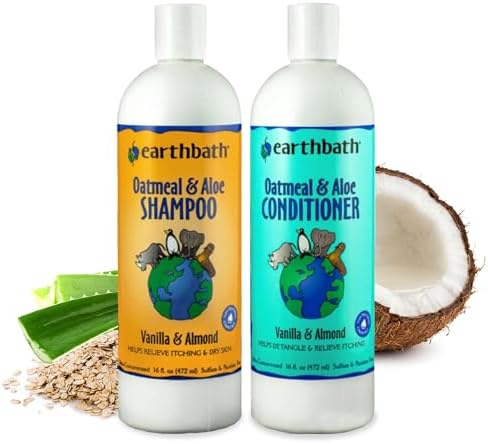
- HELPS RELIEVE ITCHING & DRY SKIN – This set was formulated for pets with dry, itchy, sensitive skin. Colloidal oatmeal &…
- NATURAL & ORGANIC INGREDIENTS – Blended with only the finest ingredients, like renewable plant-derived cleansers & condi…
- SAFE & EFFECTIVE – Our pet shampoos are designed with the health of your beloved, furry friend in mind. Our products are…

- NOURISHED COAT – Our veterinarian-approved formula combines moisturizing botanicals, pH-balanced cleansing, probiotic co…
- SOOTHED SKIN – Alcohol-free cleansers and creamy conditioner relieve dry, itchy patches, calm sensitive skin, and reduce…
- PROVEN CLEANING POWER – Our pH-balanced lather harnesses salon-quality botanicals and gentle surfactants to lift dirt, d…
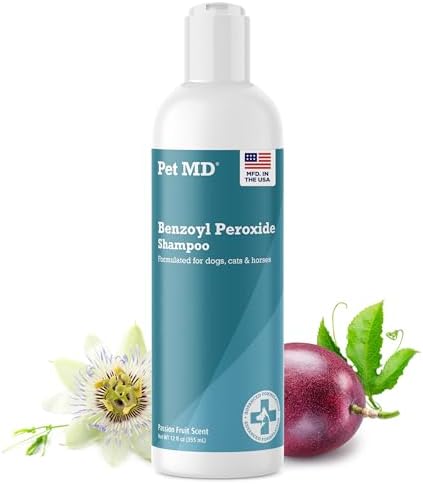
- Helps Relieve Itchy & Flaky Skin – Formulated to help reduce buildup and support relief from dry, flaky, or itchy skin i…
- Deep Cleansing Formula – With benzoyl peroxide and sulfur to help cleanse the coat and remove excess oils and impurities…
- Supports Healthy Skin & Coat – Helps maintain skin cleanliness and overall coat condition with regular use.
Skin Fold Dermatitis: The Frenchie-Specific Issue Shampoo Alone Can’t Fix
Skin fold dermatitis (also called intertrigo) is the single most common skin condition affecting French Bulldogs. It happens when moisture, oils, and bacteria get trapped between two surfaces of skin, exactly what nasal folds, lip folds, neck rolls, and tail pockets are built to do.
Inside those folds, skin rubs against skin, oxygen flow is limited, and yeast or bacteria multiply quickly. The result: redness, odor, brown or black discharge, and sometimes raw, oozing skin.
Shampoo helps, but doesn’t solve it. A proper fold-care routine usually includes:
- Clean the folds 2–3 times per week with pet-safe antiseptic wipes (chlorhexidine wipes are common)
- Dry the folds completely after every cleaning, moisture is the real enemy
- Apply a barrier cream (like wrinkle paste with zinc oxide or petroleum base) to repel moisture between cleanings
- Use a medicated shampoo during full baths if a vet has confirmed an infection
- Check folds daily for redness, swelling, or smell. Early catches prevent flare-ups
Frenchies with deep folds may need daily cleaning during hot or humid weather. If a fold ever turns raw, smells sharp, or oozes, that’s a vet visit, not a DIY moment.
Why Your French Bulldog Still Smells After a Bath
A Frenchie that smells “off” within a day or two of a fresh bath is almost always dealing with yeast overgrowth, not a shampoo problem.
That musty, “corn chip” or “old socks” smell coming from skin folds, paws, or the underside is a textbook Malassezia (yeast) sign. Yeast lives on every dog’s skin in small amounts, but in Frenchies, the folds, the warm climate they thrive in, and underlying allergies often let it bloom out of control.
Switching to an antifungal medicated shampoo (ketoconazole or miconazole-based) under vet guidance usually solves the surface issue. But if the smell keeps returning, the underlying allergy or food trigger needs addressing, the yeast just comes back.
How to Bathe a French Bulldog Properly
Even the best shampoo fails if the technique is wrong. Here’s the process veterinary groomers recommend:
Step 1: Use lukewarm water only
Hot water strips oils. Cold water stresses the dog. Lukewarm (around body temperature) is the right middle.
Step 2: Wet the coat fully before applying shampoo
Frenchie coats look easy to soak through, but water needs to reach the skin under the folds, not just the top layer.
Step 3: Apply shampoo and massage gently
Work it into a lather and focus on skin folds, belly, armpits, and paws, the spots where allergens, yeast, and moisture collect.
Step 4: For medicated shampoos, leave on 5–10 minutes
Contact time is what makes them work. Regular shampoos can be rinsed right away. Set a timer if needed.
Step 5: Rinse thoroughly, especially folds
Leftover shampoo residue causes more irritation than the original problem.
Step 6: Dry completely, especially folds
This is the most-missed step. Pat dry with a soft towel, then use a low-heat blow dryer on the folds, armpits, and tail pocket. Trapped moisture is the #1 cause of fold dermatitis flare-ups.
What to Do Between Baths: Fold & Tear Stain Care
Most of Frenchie skin care happens between baths, not during them.
- Fold wipes 2–3 times a week (daily for Frenchies with a history of dermatitis) using pet-safe, fragrance-free wipes
- Tear stain area: wipe the under-eye fold daily with a damp cotton pad and dry thoroughly; the moisture from tears is what causes the staining and bacterial overgrowth, not the tears themselves
- Wrinkle paste: a thin barrier layer over clean, dry folds helps repel moisture
- Paw cleaning after walks, yeast loves paw pads, especially in humid weather
When Dry Shampoo Helps
For Frenchies who get lightly dirty between full baths, a dog-formulated dry shampoo (foam or powder) is a useful in-between tool, never a replacement for proper bathing.
Choose one labeled for sensitive skin, alcohol-free, and free of artificial fragrance. Apply to dry coat, work in gently, and brush out. Avoid the face, eyes, and skin folds.
Dry shampoo is also useful for senior Frenchies or those with skin conditions who can’t tolerate frequent wet baths.
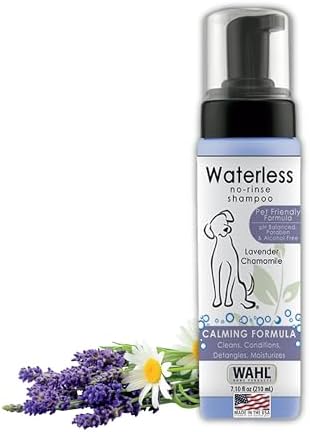
- Made in the USA – Our lavender & chamomile scented waterless shampoo is pH balanced, alcohol free, paraben free, PEG-80 …
- No Rinsing Necessary – For dogs and cats that don’t like wet shampoos; no rinsing necessary. Simply dry with a towel & b…
- Calming Formula – This plant derived lavender & chamomile scented waterless shampoo is great for cleansing, conditioning…
- NO-RINSE FORMULA – For a quick & easy deep clean during those in-between days, rely on the papaya & coconut waterless do…
- FRESH & CLEAN – A dog dry shampoo that deeply nourishes dry skin, leaving their coat with a tropical papaya & coconut sc…
- FEEL-GOOD INGREDIENTS – Our waterless coconut dog shampoo is derived from natural ingredients such as papaya & kiwi for …
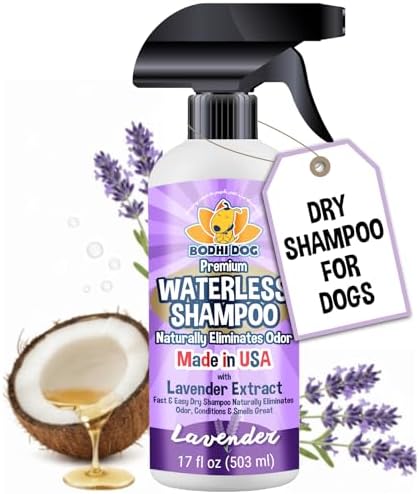
- No time for a bath? Our waterless dog shampoo gets your pet clean in minutes without the mess! It’s the perfect dog dry …
- Does your pet hate water? This waterless cat shampoo is a lifesaver for pets who fear the tub. Our waterless shampoo for…
- Got a stinky pet? Use our dog dry shampoo for smelly dogs to stop odors at the source. This cat dry shampoo has a light …

- Made in the USA – Our oatmeal and coconut lime verbena waterless shampoo is pH balanced, alcohol free, paraben free, PEG…
- No Rinsing Necessary – For dogs, cats, horses, or other animals that don’t like wet shampoos; no rinsing necessary, simp…
- Oatmeal Formula – This plant derived oatmeal and coconut lime verbena scented waterless shampoo is great for cleansing, …

- NO-RINSE FORMULA – TropiClean hypoallergenic pet shampoo is a no-rinse dog shampoo that creates a quick and easy cleanup…
- FRESH & CLEAN – The dog dry shampoo is a gentle formula that will leave their coat with subtle coconut scent, making it …
- FEEL-GOOD INGREDIENTS – Our waterless coconut dog shampoo is derived from natural ingredients such as moisturizing cocon…
Shampoo Ingredients Cheat Sheet for Frenchie Owners
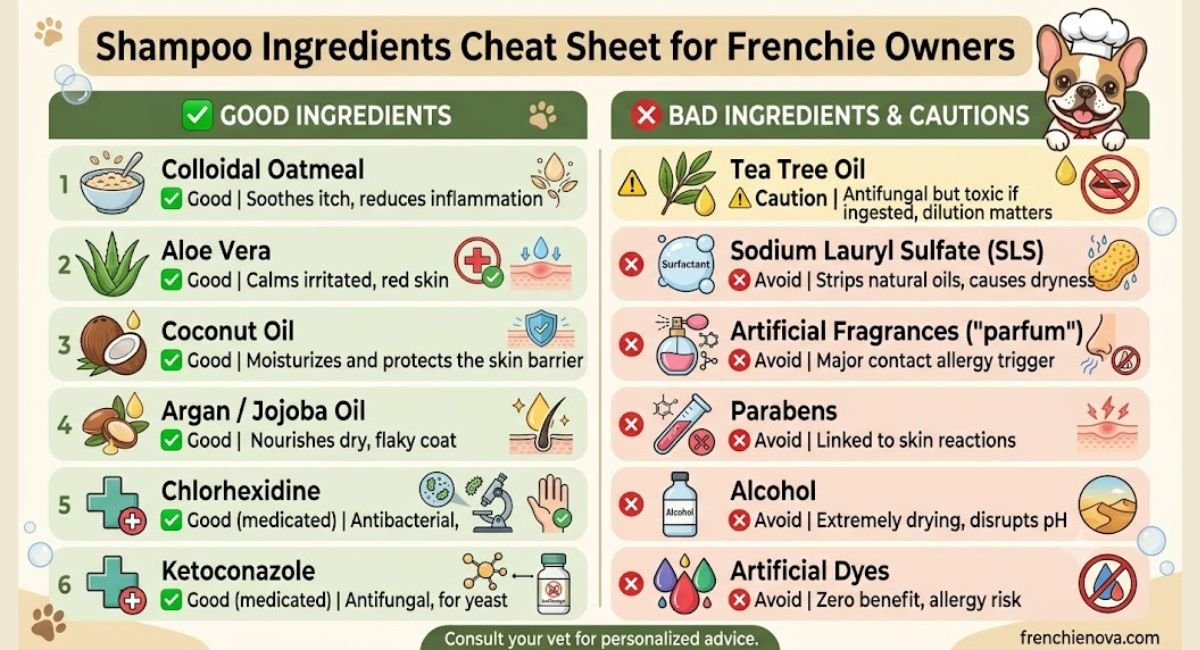
| Ingredient | Good or Bad? | Why |
|---|---|---|
| Colloidal Oatmeal | ✅ Good | Soothes itch, reduces inflammation |
| Aloe Vera | ✅ Good | Calms irritated, red skin |
| Coconut Oil | ✅ Good | Moisturizes and protects the skin barrier |
| Argan / Jojoba Oil | ✅ Good | Nourishes dry, flaky coat |
| Chlorhexidine | ✅ Good (medicated) | Antibacterial, use under vet guidance |
| Ketoconazole | ✅ Good (medicated) | Antifungal, for yeast issues |
| Tea Tree Oil | ⚠️ Caution | Antifungal but toxic if ingested, dilution matters |
| Sodium Lauryl Sulfate (SLS) | ❌ Avoid | Strips natural oils, causes dryness |
| Artificial Fragrances (“parfum”) | ❌ Avoid | Major contact allergy trigger |
| Parabens | ❌ Avoid | Linked to skin reactions |
| Alcohol | ❌ Avoid | Extremely drying, disrupts pH |
| Artificial Dyes | ❌ Avoid | Zero benefit, allergy risk |
When Shampoo Is Not Enough: Signs to See Your Vet
Shampoo is a management tool, not a cure. A vet visit shouldn’t be delayed if any of these appear:
- Constant scratching that doesn’t improve after switching shampoos
- Open sores, hot spots, or oozing from skin folds
- Strong, unusual odor from skin or folds (often signals yeast or bacterial infection)
- Hair loss in patches
- Redness that spreads or worsens after bathing
- Brown waxy discharge from ears or thickened, dark skin in folds (classic yeast signs)
A proper diagnosis usually involves skin cytology (a quick microscope slide test), sometimes allergy testing, and a tailored treatment plan. Skin issues in Frenchies almost always have a root cause, the goal is to find it, not just bathe over it.
Final Thoughts
A Frenchie’s skin isn’t an afterthought, it’s a core part of their health. The right shampoo, used at the right frequency, with the right technique, can make a visible difference in just a few weeks.
The formula is simple: gentle ingredients, balanced pH, no harsh chemicals, complete drying every single time, and fold care between baths. Layer in vet guidance when something doesn’t look right, and the scratching quiets down, the flakes disappear, and your Frenchie ends up a lot more comfortable in their own skin.
(Always consult a veterinarian before starting any medicated shampoo routine, especially if a Frenchie has been diagnosed with atopic dermatitis, seborrhea, or chronic skin or ear infections.)

Auston is the founder of Frenchie Nova and a longtime French Bulldog owner. He writes practical, research-backed guides on Frenchie care, feeding, and health. Not a veterinarian — always consult your vet for medical concerns.