

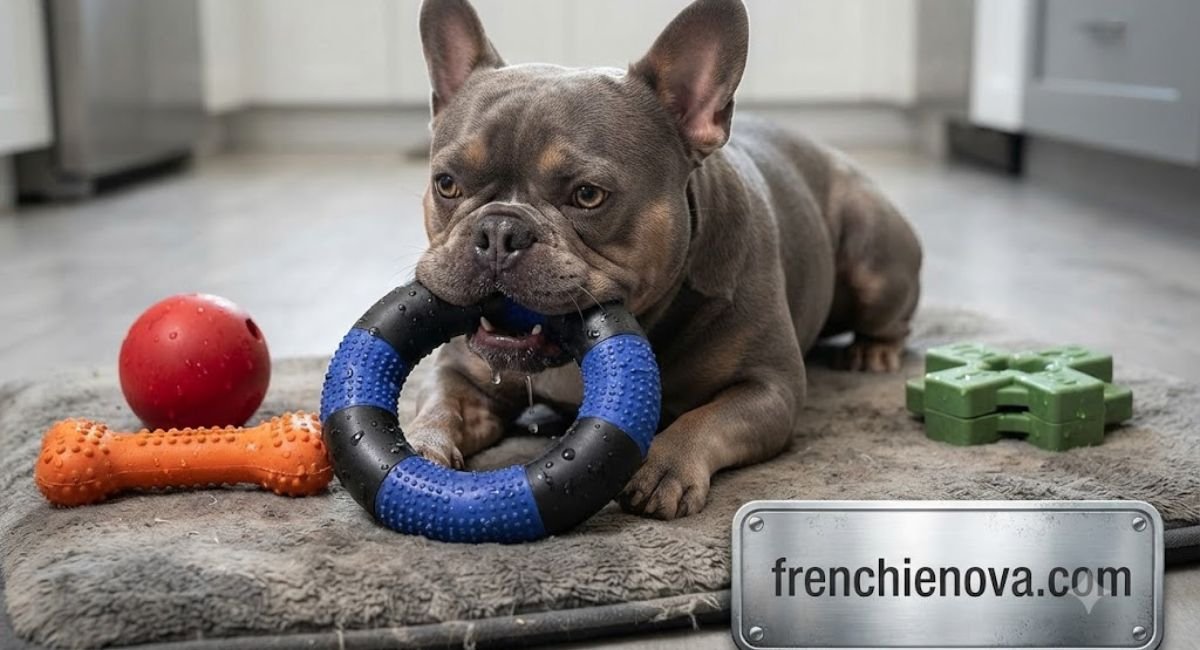
Most dog owners have lived this exact heartbreak: a brand-new toy lasts about eleven minutes before it’s confetti on the living room rug. The packaging said, “tough.” The dog disagreed. After enough of those graveyard piles, people stop trusting the word “durable” altogether, and that’s fair, because half the toys wearing that label can’t back it up. This guide cuts through the marketing and explains what makes durable rubber dog toys actually hold together, names the specific picks worth buying, and shows how to match the right toy to the right chewer so the next one outlasts the week.
Affiliate disclosure: Frenchienova may earn a small commission from qualifying Amazon purchases made through links in this post, at no extra cost to the reader. Recommendations are based on independent research and real-world chew testing.
Table of Contents
Why Rubber Beats Almost Everything Else for Tough Chewers
Plush squeakers are adorable. Rope tugs feel rugged. Both tend to fail fast against a determined chewer, and the failure mode matters: stuffing gets swallowed, rope strands unravel into long fibers that can tangle in the gut, and squeakers become a choking risk the second the seam splits.
Rubber behaves differently. Quality rubber flexes under pressure instead of tearing, then springs back to shape. That give-and-return is the whole point, a dog can gnaw for an hour, and the toy absorbs the force rather than shredding. It’s also why brands like KONG built an entire reputation on a single piece of bouncy black rubber. The KONG Extreme, made from their toughest formula, has been the go-to recommendation from trainers and vets for power chewers for decades, and that staying power isn’t an accident.
The trade-off is simple. Rubber toys cost more up front than a bin of dollar-store squeakers. But one toy that survives six months beats twenty toys that survive an afternoon, both for the wallet and for the dog’s safety.
What “Durable” Actually Means (It’s Three Things, Not One)
The label “durable rubber dog toys” gets slapped on a lot of products that don’t earn it. Three factors separate the real ones from the pretenders.
Material Quality
Natural rubber, the kind tapped from rubber trees, tends to be more resilient and elastic than cheap synthetic blends. Many premium brands, including West Paw with its Zogoflex line and Goughnuts with its dense rubber rings, lean on high-grade natural or food-grade synthetic compounds rather than filler-heavy mixes, which is exactly why non-toxic and made-in-USA dog toys from these makers tend to hold up so much better. Filler is the enemy: it makes a toy feel solid in the store and crumble in the mouth.
The no-stuffing and indestructible toys guide
A growing number of these brands also build sustainability into the materials, West Paw’s Zogoflex is recyclable and partly made from old, worn-down toys turned into new ones, and KONG markets a “tree to toy” natural-rubber sourcing approach. For owners who care about eco-impact, it’s a real point of difference, and it usually signals a brand that’s thoughtful about what goes into the toy in the first place.
Many of these tougher rubber toys also float, which is a bonus for water-loving dogs and a small detail worth checking if your dog swims.
Hardness, Measured Properly
There’s an actual industry metric for this called durometer, which rates how hard a material is. Too soft and a power chewer punches through it; too hard and it risks cracking a tooth. The sweet spot for heavy chewers sits in the firm-but-slightly-giving range, think of the resistance of a hard rubber eraser, not a hockey puck. Goughnuts famously engineered their rings around this balance, even adding a colored safety core that shows through if a dog chews dangerously deep.
Design and Shape
A seamless, single-piece design with no glued joints or thin extremities lasts far longer than a toy with sculpted ears, tails, or feet that give jaws an easy place to start. Thin parts are the first to go. The toughest toys are usually the boring-looking ones: rings, bones, and chunky cylinders with nothing to grab and rip.
Best Durable Rubber Dog Toys
Top Pick: KONG Extreme (Best overall for Power Chewers)
The toughest formula KONG makes, in solid black rubber with a hollow center for stuffing. It bounces unpredictably for play and holds peanut butter or a frozen filling to stretch a chew into a long activity. If a dog gets one tough rubber toy, this is the safe bet.
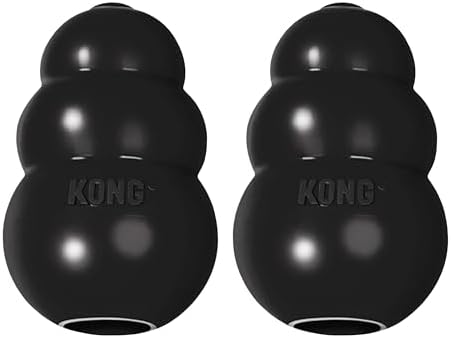
- Instinctual Needs: The KONG Extreme black rubber toy helps satisfy dogs’ instinctual needs and provides mental stimulati…
- Enticing Chew Toy for Dogs: This unique toy has an erratic and unpredictable bounce, keeping all breeds of dogs engaged …
- Treat-Filling Capabilities: The hollow interior allows for stuffing with kibble, peanut butter, or KONG Snacks or Easy T…
Top Pick: Goughnuts Original Ring (Best for Aggressive Chewers)
A dense rubber ring engineered for relentless dogs, with a colored safety core that signals when to retire the toy. Premium price, premium survival odds.

- ✅ AGGRESSIVE CHEWERS, MEET YOUR MATCH — Your search for a toy that can stand up to your dog’s aggressive chewing is over…
- ✅ ENGINEERED FOR MAXIMUM DURABILITY — Designed by a rubber chemist with 30 years of dog chew toy experience, our sturdy …
- ✅ ULTIMATE SAFETY— Our tug toys are made to prevent dogs from chewing off and ingesting pieces that can cause intestinal…
Runner-up: West Paw Zogoflex Hurley (Best for Fetch + Chew)
A tough, pliable, recyclable rubber bone that floats and bounces, free of BPA and phthalates. West Paw backs its Zogoflex line with a one-time replacement guarantee if a dog chews through it.

- Classic Shape Dogs Love – This heavy duty dog toy satisfies dogs’ natural urge to chew with an iconic dog bone shape
- Durable Dog Chew Toys for Extreme Chewing Styles – This strong dog chew toy for aggressive chewers is designed with our …
- Big Dog Toys to Keep Them Busy & Happy – This aggressive chewer dog toy encourages healthy, non-destructive chewing habi…
Budget All-Rounder: KONG Classic (Best Value)
The original red KONG suits moderate chewers and treat-stuffing brilliantly. A genuinely good starter chew for almost any dog that doesn’t fall in the demolition tier.
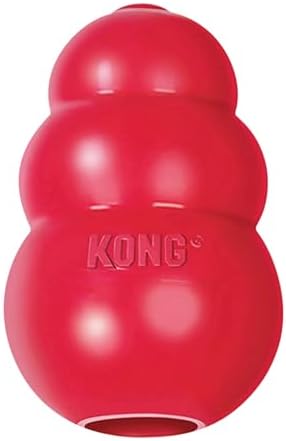
- Satisfy Instinctual Needs: The KONG Classic red rubber toy helps satisfy dogs’ instinctual needs and provides mental sti…
- Enticing Chew Toy for Dogs: This unique toy has an erratic and unpredictable bounce, keeping all breeds of dogs engaged …
- Treat-Filling Capabilities: The hollow interior allows for stuffing with kibble, peanut butter, or KONG Snacks or Easy T…
Natural Rubber vs. Nylon: Which One Fits Your Dog
Rubber isn’t the only material built for serious chewing. A good nylon dog toy plays a different but complementary role, and knowing the difference helps owners build a small rotation instead of buying blindly.
Rubber gives. It bounces, it’s gentler on teeth, and many designs hold treats or peanut butter, which turns chewing into a longer enrichment session. That makes rubber the safer all-day option for most dogs.
Nylon is harder and lasts longer per toy, but that hardness is exactly why it needs more thought. Brands like Nylabone and Benebone built their lines around flavored, ultra-tough nylon that aggressive chewers can work on for weeks. The catch: because nylon barely gives, it’s better suited to gnawing than to crushing, and it’s worth checking that a dog shaves off only tiny flecks rather than cracking off chunks.
For dogs that treat everything like a personal challenge, a flavored nylon dog toy can be the thing that finally outlasts them, just with closer supervision in the early days.
Nylon picks worth buying: the Nylabone DuraChew (best for long solo sessions) and the Benebone Wishbone (best ergonomic shape for gnawing) are both reliable, widely trusted options on Amazon.

- DURABLE, LONG-LASTING – Super chewer? Bring it on. Benebones are tougher than real bones and last for weeks.
- REAL BACON! – We use only 100% REAL BACON for flavor. Trust us, dogs can tell the difference.
- EASY TO PICK UP AND CHEW – The Wishbone is curved for a paw-friendly grip so your pup can quickly grab it and get a good…

- Classic Shape Dogs Love – This heavy duty dog toy satisfies dogs’ natural urge to chew with an iconic dog bone shape
- Durable Dog Chew Toys for Extreme Chewing Styles – This strong dog chew toy for aggressive chewers is designed with our …
- Big Dog Toys to Keep Them Busy & Happy – This aggressive chewer dog toy encourages healthy, non-destructive chewing habi…
A practical rule many experienced owners follow: rubber for daily play and treat-stuffing, nylon for the long, focused chew sessions. The two cover different needs, and most heavy chewers benefit from having one of each.
The Case for Rubber Dog Bones
The classic bone shape earns its own mention because it solves a specific problem: grip. A round ball can slip out of a dog’s paws mid-chew, but rubber dog bones give the dog something to pin down and lean into, which keeps them engaged longer. The shape also distributes chewing force across a thicker mass of material, so no weak ear or tail is waiting to be torn off.
The best rubber dog bones in this category come as a single molded piece with rounded ends and no seam. Some include ridges or nubs along the surface, which do double duty, they massage the gums and help scrape soft plaque while the dog chews. That dental angle is real, though it’s worth being honest about its limits: chewing helps with surface buildup, but for dogs who also do well with edible chews and treats for aggressive chewers, that’s not a replacement for brushing or a professional cleaning either.
The Veterinary Oral Health Council (VOHC) keeps a list of products proven to reduce plaque and tartar, and it’s a useful reference for owners who want chewing to pull double duty for dental health.
For treat-motivated dogs, a hollow rubber bone that holds a smear of peanut butter or a frozen filling stretches a five-minute chew into a thirty-minute project. Frozen stuffing is a small trick that experienced owners swear by, especially for puppies teething or dogs that need to settle in a crate.
How to Choose the Right Toy for Your Specific Dog
Durability isn’t one-size-fits-all. The right pick depends on three things about the dog.
Chewing style
A gentle mouther can happily use a softer rubber toy that a power chewer would destroy in minutes. Be honest about which category the dog falls into, most owners underestimate their dog. If a toy has ever been destroyed in under a day, that dog is a heavy chewer and needs the extreme-rated tier, not the standard one.
Size
This one’s a safety issue, not just a fit issue. The toy should be too big to fit entirely in the dog’s mouth, with no risk of being swallowed whole. Most reputable brands size their toys by weight range for exactly this reason, a toy built for a 15-pound dog can become a choking hazard for an 80-pound one, and vice versa.
Jaw Strength by Breed Tendency
Breeds bred for grip and tenacity, and that includes plenty of French Bulldogs, despite their size, often chew harder than their weight suggests. A compact dog with a powerful, brachycephalic jaw can out-chew dogs twice its size. Sizing down too far on the assumption that a small dog needs a small toy is a common mistake.
Safety: The Rules That Actually Matter
Even the toughest toy needs a few guardrails.
The Thumbnail Test
A widely used guideline from trainers: press a thumbnail into the toy. If it leaves a dent but doesn’t gouge, the hardness is roughly right, firm enough to resist, soft enough to spare the teeth. Toys that don’t dent at all (like some bones and antlers) carry a higher risk of tooth fractures, which are one of the most common chewing-related injuries vets see.
Supervision Early On
New toy, new dog, new behavior, the first few sessions with any chew should be watched. That’s how owners learn whether a dog gnaws politely or tries to dismantle the thing, which determines whether it’s safe to leave unsupervised later.
Know When to Retire It
No rubber toy lasts forever. Once a toy develops chunks small enough to swallow, deep cracks, or torn-off pieces, it’s done, toss it. A safety-core design like Goughnuts uses makes this call easy, but for everything else, a weekly look-over does the job.
Check the Material Claims
Reputable durable rubber dog toys are made without BPA, phthalates, and lead, three compounds owners want nowhere near something a dog mouths for hours. Brands that test to standards like ASTM safety guidelines usually say so plainly on the label. If a toy is vague about what it’s made of, that silence is its own answer.
Keeping Toys Clean and Making Them Last
A bit of upkeep stretches the life of even the best toy. Most solid rubber pieces are top-rack dishwasher-safe, and a weekly run keeps dried treats and bacteria from building up inside hollow chambers. For toys with deep treat cavities, a bottle brush and warm soapy water reach what the dishwasher misses.
Rotating toys helps too. Dogs lose interest in a toy that’s always available, then rediscover it like it’s brand new after a week in the closet. Keeping three or four in rotation means each one sees less wear and the dog stays more engaged, a small habit that quietly saves money over a year.
A Note for French Bulldog Owners
Frenchies sit in a funny spot. They’re small, so owners reach for tiny toys, but their flat-faced French bulldog toys, muscular jaws give them surprising crushing power and a real love of gnawing. The toys that tend to work best are mid-firmness rubber pieces sized a step up from what the weight chart suggests, plus treat-stuffable shapes that reward their food motivation. Because brachycephalic breeds can overheat and tire during intense play, calm chew toys often suit them better than high-energy fetch toys, which makes a good durable rubber chew close to ideal for the breed.
The Bottom Line
Durable rubber dog toys earn their price by surviving the dogs that destroy everything else, and the trick to picking well comes down to honest assessment: know the dog’s real chewing style, size up rather than down, lean on trusted materials like natural rubber and quality nylon, and retire anything that starts breaking down. Get those right, and the toy graveyard shrinks fast. For a dog that’s been through a dozen disappointments, the right tough chew isn’t just a purchase, it’s the first one that actually lasts.
Always supervise new chewing sessions and consult a veterinarian about the safest options for a dog’s specific size, age, and dental health.

Auston is the founder of Frenchie Nova and a longtime French Bulldog owner. He writes practical, research-backed guides on Frenchie care, feeding, and health. Not a veterinarian — always consult your vet for medical concerns.