


If your Frenchie is licking their paws raw, scratching at their ears, or clearing the room with their gas, the food bowl is one of the first places to look. French Bulldogs are among the most allergy-prone breeds out there, and their sensitive stomachs turn the wrong ingredient into an itchy, gassy, miserable week in no time.
The frustrating part is that “switch to a better food” is easier said than done. There are hundreds of bags claiming to be hypoallergenic, half the advice online contradicts the other half, and the symptoms can take weeks to settle, even after you find the right diet.
This guide Best Dog Food for French Bulldogs With Allergies cuts through it, what actually triggers Frenchie allergies, which ingredients to avoid, which food types work, the specific products vets reach for, and how to run a proper elimination diet. The goal is to help you stop guessing and start fixing.
Why French Bulldogs Are So Prone to Allergies
Frenchies didn’t draw the easiest genetic hand. The breed is predisposed to a long list of health quirks, and a disproportionate number of them show up in two places: the gut and the skin. Sensitive stomachs, chronic gas, loose stool, itchy skin, recurring ear infections, and paw licking are all classic signs that something in the diet isn’t agreeing with them.
Their immune systems also tend to overreact to proteins and ingredients found in everyday commercial dog food. Food allergies in the breed usually surface between one and three years of age, and because many Frenchies have more than one sensitivity at the same time, pinning down the exact culprit can be genuinely frustrating. On top of that, their flat-faced build means they gulp air while eating, which adds to the gas and bloating an already touchy gut produces.
The takeaway: with this breed, diet isn’t just about nutrition. It’s often the difference between a comfortable dog and one that’s quietly itchy and uncomfortable for years.
Table of Contents
Food Allergy vs. Food Intolerance vs. Environmental Allergy
These get lumped together, but they’re not the same, and the fix differs.
A food allergy is a true immune response to a specific ingredient, usually a protein. It tends to show up as itchy skin, ear infections, and paw licking, sometimes alongside digestive trouble.
A food intolerance is a digestive issue rather than an immune one. A Frenchie who can’t handle dairy or a fatty food gets gas, loose stool, or an upset stomach, but it’s not the immune system firing.
An environmental allergy, pollen, dust mites, grass, produces very similar itchy-skin symptoms to a food allergy, which is exactly why owners get confused. If a diet change doesn’t help after a fair trial, the trigger may be environmental, and that’s a conversation for your vet.
Knowing which one you’re dealing with saves months of swapping foods that were never the problem.
Ingredients to Avoid in a Frenchie’s Food
Most food reactions in French Bulldogs trace back to a short list of usual suspects. When scanning a label, watch for:
- Common protein allergens: chicken and beef are the two proteins Frenchies react to most often, despite being the most common ingredients in dog food.
- Corn, wheat, and soy: these grains and legumes are the ones most associated with digestive upset and skin reactions in the breed. Wheat in particular shows up as a cheap filler and is a frequent irritant.
- Dairy: many Frenchies simply don’t digest it well, leading to gas and loose stool.
- Artificial colors, flavors, and preservatives: unnecessary additives that can trigger sensitivities in an already reactive breed.
- Rich, fatty ingredients: too much fat raises the risk of pancreatitis, something Frenchies are already prone to.
This doesn’t mean every Frenchie reacts to every item on this list. It means these are the first things to suspect and the first to eliminate when trouble starts.
What to Look For Instead
A good allergy-friendly diet for a French Bulldog usually shares a few features:
Limited-ingredient diets (LID)
Fewer ingredients mean fewer chances for a reaction, and they make it far easier to track what your dog can and can’t tolerate. These formulas typically pair a single protein with a single carbohydrate.
Novel proteins
A novel protein is one your dog hasn’t eaten before, duck, lamb, salmon, venison, or rabbit instead of the usual chicken or beef. Since the immune system hasn’t built a reaction to it, a novel protein is less likely to cause a flare-up.
Omega-3 fatty acids
Fish oil and similar omega-3 sources help calm the skin inflammation that rides along with food allergies. A diet consistently rich in omega-3s can noticeably reduce itching and improve coat quality over time.
Probiotics and prebiotics
These support a healthier gut microbiome, which means better digestion, firmer stool, and less gas, a real win in this breed.
Well-tolerated carbohydrates
Whole grains like brown rice and oatmeal are often gentler than corn or wheat and add useful fiber. Grain-free isn’t automatically better; it matters most when a true grain sensitivity exists.
Vet-Recommended Foods for Frenchies With Allergies (Best Dog Food for French Bulldogs With Allergies (2026))
These come up repeatedly in vet-informed reviews for allergy-prone French Bulldogs. Treat them as researched starting points, not prescriptions, the right pick depends on your individual dog, and your vet should weigh in on anything beyond a routine food swap.
- Purina Pro Plan Sensitive Skin & Stomach (Salmon & Rice): one of the most broadly endorsed picks for Frenchies with sensitivities. It uses salmon as a novel protein that sidesteps the common chicken allergy and is backed by AAFCO feeding trials.
- Natural Balance Limited Ingredient Diet (Salmon & Brown Rice): a clean, simplified formula that’s especially useful during allergy elimination trials because it makes tracking reactions straightforward.
- Royal Canin: both the breed-specific Frenchie formula (with a digestive blend for their sensitive GI tract) and, for tougher cases, the veterinary Selected Protein line using rabbit or venison.
- Hill’s Prescription Diet z/d and Royal Canin Ultamino: hydrolyzed protein prescription diets for severe or treatment-resistant allergies, available only through your vet.
- Fresh and air-dried options: gently cooked, whole-ingredient meals appeal to owners who want to control exactly what goes in the bowl.
The pattern across all of these is consistent: simple ingredient lists, a single clear protein, no common allergens, and no junk additives.

- Oat meal is easily digestible and gentle on the digestive system
- High protein formula, with real salmon as the first ingredient
- Fortified with guaranteed live probiotics for digestive and immune health
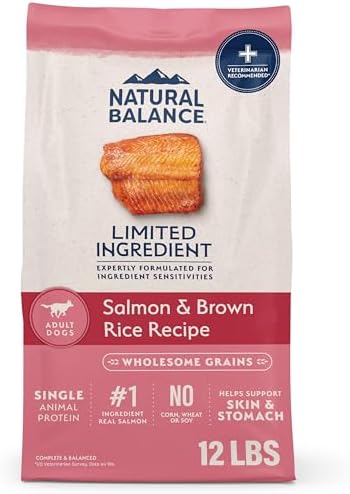
- Single Animal Protein Nutrition: Natural Balance Adult Dry Dog Food is made with salmon a rich, premium animal protein s…
- Digestive Health Support: Crafted with wholesome grains including brown rice, this recipe helps support digestion and st…
- Skin & Coat Nourishment: Carefully balanced with omega 3 and omega 6 fatty acid sources to help support healthy skin and…

- FOR DOGS WITH SENSITIVE STOMACHS: Royal Canin Digestive Care Wet Dog Food is formulated for adult dogs of all sizes with…
- OPTIMAL STOOL: Aids digestion and supports a balanced intestinal flora that promotes optimal stool quality
- HEALTHY DIGESTION: Highly digestible formula supports digestive health and dogs’ overall well-being

- Hill’s Prescription Diet z/d Hydrolyzed Dry Dog Food is specially formulated by Hill’s nutritionists and veterinarians t…
- Nutrition clinically proven to help avoid skin and digestive signs of adverse food reactions.
- Made with highly hydrolyzed proteins that are broken down to avoid detection by the immune system.
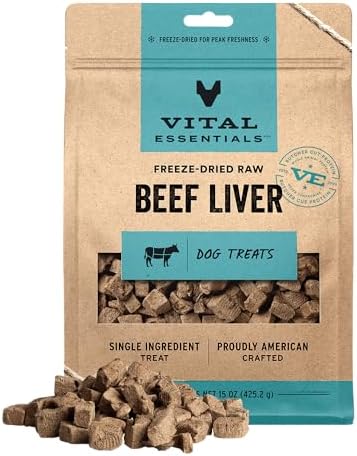
- FREEZE-DRIED RAW BEEF LIVER DOG TREAT: Vital Essentials Freeze Dried Dog Treats pack more protein than industry standard…
- BETTER PROTEIN = BETTER BENEFITS: The best freeze dried dog treats on the market use premium butcher cut raw protein to …
- PROUDLY AMERICAN CRAFTED: All our dog treats and food are responsibly sourced and humanely harvested to ensure the quali…
Hydrolyzed Protein and Prescription Diets, When You Need Them
If limited-ingredient and novel-protein foods don’t solve the problem, the next step up is a hydrolyzed protein diet. These break the protein down into fragments so small that the immune system no longer recognizes them as a threat, which is why they’re considered the gold standard for serious food allergy cases.
Hydrolyzed diets are prescription-only and cost more, and some dogs find them less palatable, but for a Frenchie whose symptoms won’t quit, they can be the thing that finally works. This is firmly vet territory, not a guess-and-check purchase.

- The information below is per-pack only
- Triple support for stomach, skin and immune system health
- Highly digestible formula with prebiotic fiber that is gentle on the stomach for optimal nutrient absorption

- Lean muscles supported with high-quality protein
- Balanced energy supported by the right combination of protein, fats, and carbs
- Ideal body weight supported by balanced nutrition
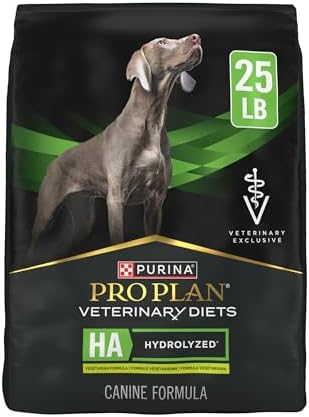
- Vegetarian dog food formula contains a single hydrolyzed protein source
- Hydrolyzed dog food containing a single carbohydrate source
- Highly digestible dog kibble to promote optimal nutrient absorption
How an Elimination Diet Actually Works
When the trigger is a mystery, an elimination diet trial is the most reliable way to find it, it’s the gold standard vets use to diagnose food allergies. The idea is simple, even if the discipline is hard: feed one carefully chosen diet (a novel-protein or hydrolyzed formula) and nothing else, then watch.
According to veterinary dermatology guidance, the trial diet is fed exclusively for around 8 weeks, since stretching the trial to that length pushes diagnostic accuracy above 90%. Skin cases often need the full 8 to 12 weeks; digestive cases can show improvement sooner. A rough timeline looks like this:
- Weeks 2–4: Some dogs begin showing less itching and fewer ear flare-ups.
- Weeks 6–8: clearer improvement in skin, coat, and energy.
- Weeks 8–12: full reassessment, then careful reintroduction of foods to pin down the specific trigger.
The single biggest reason these trials fail is cheating. Treats, table scraps, and even flavored chewable medications or heartworm preventions can wreck the results. During the trial, the chosen diet has to be the only thing your dog eats, many prescription diets offer matching hypoallergenic treats to make that bearable. Keeping a simple symptom log helps you and your vet read the results accurately.
Feeding Tips for a Sensitive Frenchie
Beyond the food itself, a few habits make a real difference:
- Transition slowly. Switch foods over a week or two, mixing increasing amounts of the new food in. A sudden change is its own cause of stomach upset.
- Smaller, more frequent meals are gentler on a sensitive stomach than one or two large servings.
- Slow down fast eaters with a slow-feeder bowl. Less gulped air means less gas and bloating.
- Skip the table scraps. They’re a top source of both allergens and fatty foods that risk pancreatitis.
- Be patient. Skin and gut take weeks to recover even after the right food is found. Don’t judge a new diet in three days.
What is the most common food allergy in French Bulldogs?
Chicken and beef are the proteins Frenchies react to most often, followed by dairy and grains like wheat, corn, and soy. Because the breed often has more than one sensitivity at once, identifying the exact trigger usually takes a proper elimination diet.
Is grain-free food better for a French Bulldog with allergies?
Not automatically. Grain-free only matters when a dog has a genuine grain sensitivity. Many Frenchies do fine on well-tolerated whole grains like brown rice and oatmeal, which add helpful fiber. The protein source is far more often the real culprit.
How long until a new food helps my Frenchie’s allergies?
Give it time. Skin and digestive symptoms can take 6 to 8 weeks to fully settle, even once you’ve found the right diet. Judging a food after a few days is the most common mistake owners make.
Can a sensitive stomach in a Frenchie be serious?
Often, it’s just an ingredient that doesn’t agree with them. But persistent vomiting, ongoing diarrhea, or signs of pain warrant a vet visit, since Frenchies are prone to pancreatitis and other digestive conditions that need real treatment.
The Bottom Line
The best dog food for a French Bulldog with allergies usually comes down to a few clean principles: a limited-ingredient formula, a novel protein your dog hasn’t reacted to, added omega-3s and probiotics, and none of the common allergens or junk additives. Start there, transition slowly, and give it weeks, not days, to work.
When symptoms won’t budge, an elimination diet run with your vet is the reliable way to find the trigger, with hydrolyzed prescription diets as the backup for tough cases. It takes patience, but a comfortable, itch-free Frenchie is absolutely worth the effort.
For the full picture on feeding this breed from puppyhood, see our complete French Bulldog puppy diet guide and our French Bulldog puppy feeding chart.

Auston is the founder of Frenchie Nova and a longtime French Bulldog owner. He writes practical, research-backed guides on Frenchie care, feeding, and health. Not a veterinarian — always consult your vet for medical concerns.