
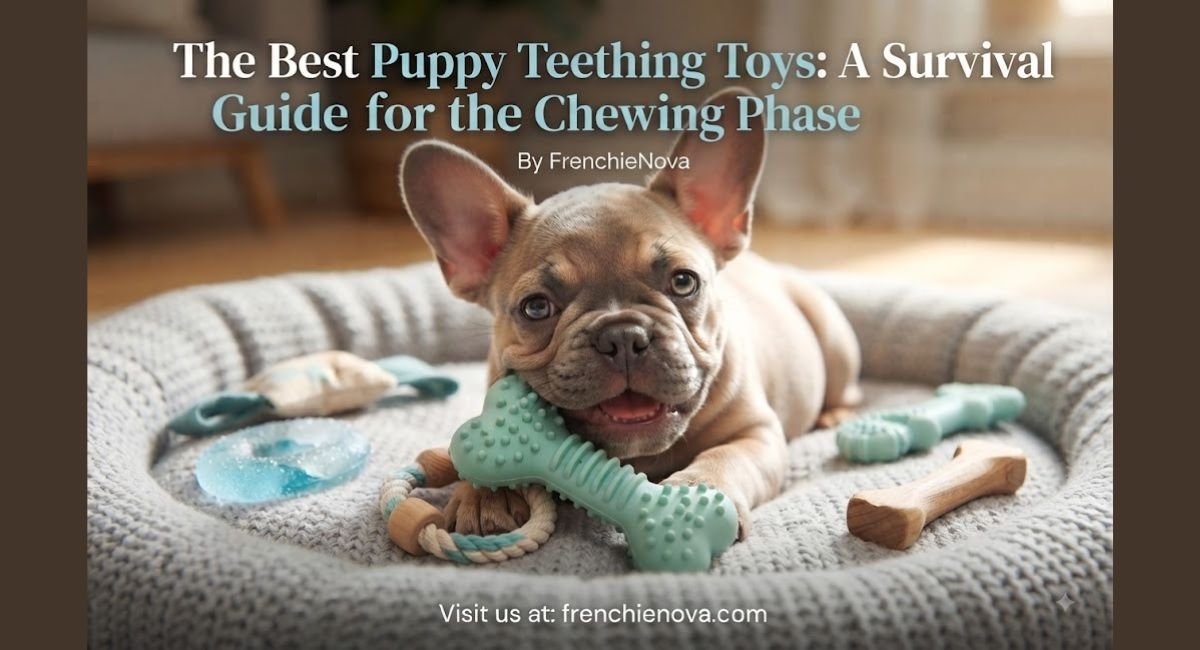
Every new puppy owner hits the same wall around twelve weeks in, those needle-sharp baby teeth start falling out, the adult set pushes through, and suddenly the puppy wants to chew everything, shoes, table legs, fingers, the corner of the rug. It is not bad behavior, it is biology, and the only real fix is giving that mouth something better to work on. The right puppy teething toys turn a destructive, miserable few months into something manageable for both of you.
This guide covers what to buy, what to skip, and the specific picks that actually soothe sore gums and survive the chewing phase, and for breed-specific advice, our French Bulldog toys guide covers what to expect if your teething pup is a Frenchie.
Affiliate disclosure: Frenchienova may earn a small commission from qualifying Amazon purchases made through links in this post, at no extra cost to the reader. Recommendations are based on independent research.
Table of Contents
Why Puppies Chew So Much (and When it Ends)
Teething is not a phase a puppy chooses, it’s a physical process. Puppies are born toothless, grow a set of baby (deciduous) teeth, and then lose all 28 of them as 42 adult teeth come in. That second wave is the rough one. It usually starts around 12 weeks and runs until roughly six months of age, and during that stretch the gums are genuinely sore. Chewing relieves the pressure, which is exactly why nothing in the house is safe.
The trick is not to stop the chewing, that’s impossible and unfair to the puppy. It is to redirect it. A puppy with a steady supply of the right puppy chew toys learns that these are the things to gnaw, not the furniture. Get that habit set early and it pays off for years.
One more thing worth knowing: teething puppies need toys made for sensitive mouths. An adult power-chewer toy is often too hard for a puppy and can hurt those tender gums or loose teeth. That’s why puppy-specific formulas exist, and why grabbing the toughest toy on the shelf is usually the wrong move at this age.
Best Puppy Teething Toys for Gum Relief
The single best trick for sore gums is cold. A chilled or frozen toy numbs the inflammation while the puppy chews, a frozen towel chew you can make at home, and it’s the thing experienced owners reach for first.
Top Pick: KONG Puppy (Best Stuffable Teether)
Made from a softer rubber designed for puppy teeth and gums, this is the workhorse of the teething months. Stuff it with a little wet food or puppy-safe peanut butter, freeze it, and it soothes gums while keeping the puppy busy for ages. The Kong puppy comes in sizes by weight, so match it to the breed. It’s the one toy most trainers recommend a new owner buy first.

- Soft Puppy Rubber: The KONG Puppy is developed with a customized natural rubber for a growing puppy’s teeth; it is gentl…
- Puppy Toy for Playtime: This puppy chew toy also has a bounce that makes it ideal for games of fetch; doubles as a gentl…
- Make Playtime and Training Last Longer: Stuff this puppy toy with Easy Treat, Snacks, kibble or paste to entice platime,…
Runner-Up: Freezable Teething Rings (Best Dedicated Gum Soother)
Purpose-built teething rings for puppies, often filled with gel or made of textured rubber, go in the freezer and come out as a cooling chew. Look for solid, one-piece designs with no small parts. A couple in rotation, one in the freezer, one in use, keeps a cold one always ready.
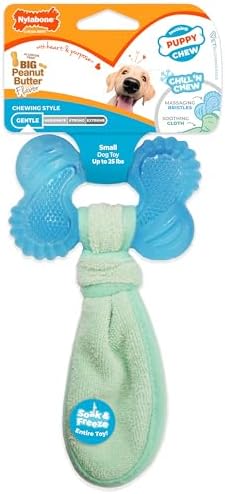
- EXTRA SOOTHING TEETHING RELIEF – Soak and chill this freezable teething toy to soothe sore gums
- TEACHES HEALTHY CHEWING HABITS – Chew toy for puppies is thoughtfully designed to encourage positive behavior that’ll la…
- SUPPORTS DOG DENTAL HEALTH – Massaging bristles help clean teeth
A safety note on freezing: chilled is great, rock-solid frozen can occasionally be too hard for very young pups. Freezing a rubber toy with food inside softens slightly as the puppy works it, which is ideal; freezing a hard item solid is the case to be a little cautious with.
Best Chew Toys for Teething Puppies
Beyond cold relief, a puppy needs durable everyday chews that hold up without being tooth-crackingly hard. The best chew toys for teething puppies balance give and durability.
Top Pick: Nylabone Puppy Chew (Best Long-Lasting Chew)
Nylabone makes a softer puppy formula in flavored, ergonomic shapes that last far longer than rubber for dogs that gnaw constantly. The texture helps clean emerging teeth, and the flavor keeps a puppy coming back to it instead of the couch. Supervise to be sure the pup chews off only tiny flecks.

- SOOTHES GUMS – Dog chew toy is made with softer material for teething puppies without permanent teeth
- ENCOURAGES HEALTHY CHEWING HABITS FROM THE START – Puppy teething pacifier satisfies pups’ innate urge to chew
- KEEPS YOUR PUPPY ENGAGED – Bright colors and intriguing textures help keep your pup entertained
Runner-Up: Soft Rubber Chew Rings (Best Budget Durability)
Affordable rubber rings and bones from brands like Chew King give a puppy a safe, durable target for all that chewing energy without much cost. Good for buying a few at once so there’s always one within reach.

- Gentle Teething Relief – Specially textured surface soothes sore gums and emerging teeth in puppies during crucial devel…
- Essential Puppy Supplies – Core addition to puppy needs and necessities, addressing teething discomfort that standard do…
- Cognitive Development Support – Functions as one of the most effective cognitive toys for puppies, promoting mental stim…
Best Soft and Comfort Toys for Puppies
Not every puppy toy is for chewing. Soft toys for puppies serve a different job, comfort, gentle play, and easing the stress of a pup adjusting to a new home (and to sleeping alone for the first time).
Top Pick: Snuggle Puppy (Best Comfort Aid)
A plush toy with a pulsing “heartbeat” and an optional warmth pack, designed to mimic the feel of littermates. It’s a genuine behavioral aid for the first anxious nights in a new home, and many owners credit it with smoother crate training. Not a chew toy, supervise so it stays a comfort object.

- Breed Buddies Collection: Breed-inspired plush comfort toy (12 x 8 in) sized for dogs 25-70 lbs; includes motion-activat…
- SmartBeat Heartbeat: Two modes; 8-hour auto-shutoff or 24-hour continuous; press button, place heart in belly pouch; mot…
- Bully Breed Buddies Design: Stocky, broad-muzzle plush designed to visually represent pit bulls, bulldogs, American bull…
Runner-Up: Soft Plush With Minimal Stuffing (Best Gentle Play)
For gentle play and carrying, look for well-made plush with reinforced seams. For pups that tear into plush, choose no-stuffing designs so a torn seam doesn’t become a swallowing risk. Always supervise plush with a teething puppy.
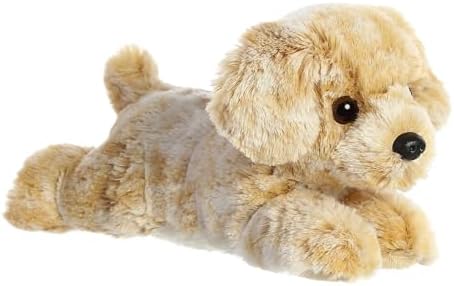
- This plush is approx. 3″ x 8″ x 4″ in size
- Made from deluxe materials for a cloud-like softness!
- This light and fluffy Retriever puppy plush makes for a great cuddling partner
Toys That Do Double Duty: Brain + Teething
Teething puppies are also learning machines, and a toy that engages the mind while soothing the mouth is a two-for-one win, see our guide to puzzle and enrichment toys for a growing puppy for more ways to keep that busy brain occupied.
Top Pick: Outward Hound Puppy Puzzle/Lick Mat Feeders (Best Brain + Slow Feeding)
Lick mats spread with wet food or puppy-safe peanut butter give a long, calming activity that’s gentle on gums, and puppy puzzle feeders slow down fast eaters while exercising the brain. Both tire a puppy mentally, which often does more to settle them than physical play at this age.
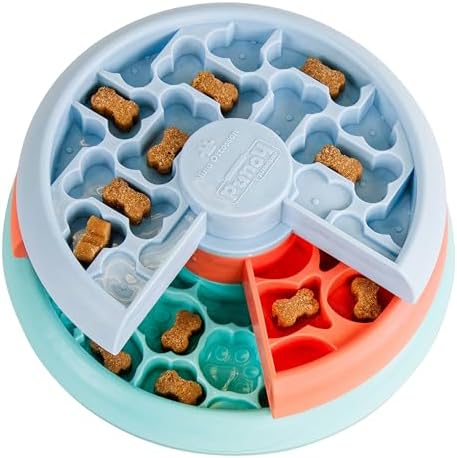
- 3-in-1 Puzzle Feeder for Small Dogs: Combines slow feeding, lick-based activity, and treat-hiding puzzles to support ear…
- Multi-Layer Spinning Design: Three rotating tiers with textured grooves challenge dogs to spin and lick through layers o…
- Slows Fast Eaters: Holds up to 1.5 cups of food or treats; ideal for dry kibble, wet food, raw diets, or peanut butter t…
What to Avoid for Teething Puppies
A few popular “chews” are genuinely risky for a teething mouth, and it’s worth being clear about them:
- Antlers, hooves, and hard bones: These are often marketed for teething, but they’re hard enough to fracture a puppy’s developing teeth. Skip them at this age.
- Anything with small detachable parts: Plastic eyes, bells, or sewn-on bits become choking hazards once a determined puppy gets to work.
- Adult power-chewer toys: Too hard for sensitive gums and loose baby teeth, save these for when the adult teeth are fully in.
- Cooked bones of any kind: They splinter, full stop.
- Tug toys used aggressively: Hard tugging can damage a teething puppy’s loose teeth and developing jaw, keep any tug gentle and low.
When in doubt, the thumbnail test works here too: press a nail into the toy, and if it leaves a slight dent, it’s soft enough for a teething pup. If it doesn’t dent at all, it’s too hard for this age.
How to Get Through the Teething Phase
A few habits make the whole stretch easier:
- Keep toys everywhere: A puppy reaches for whatever’s closest. Stash chews in every room the puppy uses, so the right thing is always within paw’s reach.
- Rotate to keep novelty: Three or four toys cycled every few days feel new each time, which holds a puppy’s interest far better than the same pile always out.
- Always have a cold one ready: Keep a teether or stuffed KONG in the freezer so gum relief is on demand.
- Redirect, don’t just scold: When the puppy grabs a shoe, swap it for a chew toy and praise the swap. That’s how the habit sticks.
- Supervise new toys: Watch how a puppy handles anything new before trusting it unsupervised, and retire toys the moment they begin to break down.
How do I Know if My Puppy is Teething or Just Chewing Out of Boredom?
Teething has a few telltale signs beyond just chewing: red or slightly swollen gums, more drooling than usual, small blood spots on toys, and a preference for cold or firm textures over soft ones. Boredom chewing tends to be more random and happens at any age, while teething chewing clusters heavily between 12 weeks and 6 months and often gets worse right after naps or meals. If it’s unclear, offering a frozen teether is a good test, a teething puppy usually goes straight for the cold relief.
Is It Normal for a Puppy to Lose Interest in Food While Teething?
A mild dip in appetite during the roughest teething days is common, since sore gums can make chewing kibble uncomfortable. Softening dry food with a little warm water or offering a frozen, stuffed KONG Puppy as a gum-soothing snack can help. If the puppy refuses food for more than a day, seems lethargic, or shows other signs of illness, that’s beyond normal teething and worth a vet call.
Can Teething Toys Damage a Puppy’s Baby Teeth?
The right teething toys should not, that’s exactly what puppy-soft rubber and gel-filled teething rings are designed to avoid. The risk comes from toys that are too hard for a young mouth, like adult power-chewer toys, antlers, or hard bones, which can crack a loose baby tooth or irritate the gum line. Sticking to puppy-specific formulas and running the thumbnail test on anything borderline keeps teething toys safe rather than damaging.
How Many Teething Toys Does a Puppy Actually Need?
Three or four in rotation is usually the sweet spot, enough variety to keep a puppy interested without turning into clutter. A reasonable starter set covers the bases: one freezable ring for cold relief, one durable everyday chew like a Nylabone Puppy Chew, and one comfort toy like a Snuggle Puppy for anxious moments. Keeping a couple of the cold ones on standby in the freezer means gum relief is always just a swap away.
The Bottom Line
The best puppy teething toys make a hard few months livable: cold relief for sore gums, durable everyday chews that aren’t too hard, a comfort toy for the anxious nights, and a puzzle or two for the busy brain. A frozen, stuffed KONG Puppy, plus a Nylabone puppy chew and a couple of teething rings, will cover almost any pup from 12 weeks to 6 months. Redirect the chewing, keep toys close, lean on the freezer, and skip the rock-hard “natural” chews, and both the puppy and the furniture come through the teething phase intact.
Puppies have specific developmental and dental needs. Always supervise play, choose age-appropriate toys, and consult a veterinarian about teething concerns or the safest chews for a puppy’s breed and size.

Auston is the founder of Frenchie Nova and a longtime French Bulldog owner. He writes practical, research-backed guides on Frenchie care, feeding, and health. Not a veterinarian — always consult your vet for medical concerns.