


Bringing home a Frenchie puppy comes with one question that trips up almost every new owner within the first week: what exactly goes in the bowl? The answer feels simple until you stand in the pet store aisle staring at forty bags, half of them shouting “grain-free” and the other half “vet-recommended.” It gets overwhelming fast.
Here’s the good news. The best diet for a French Bulldog puppy isn’t a secret formula, it’s a few solid principles applied consistently. Frenchies are a brachycephalic breed with small stomachs, sensitive guts, and a habit of gaining weight if you blink. Feed them right in these early months, and you set up years of good health.
This guide walks through how much to feed, how often, which nutrients matter most, what to avoid, and which food types actually suit a growing Frenchie, backed by what vets and breeders recommend.
Table of Contents
What Makes a French Bulldog Puppy’s Diet Different
Most puppies need protein, fat, and steady calories to grow. Frenchies need all that plus a little extra thought, because the breed comes with quirks that shape what belongs in the bowl.
French Bulldogs are prone to food allergies and obesity, and they often have touchy digestion. Their flat faces and compact builds also mean they eat differently than a Labrador or a Beagle. A good French Bulldog puppy diet works with these traits instead of ignoring them. That means high-quality protein, easily digestible ingredients, controlled portions, and a formula built for a small breed’s growth needs.
The American Kennel Club notes that Frenchies require a well-balanced diet to hold a healthy weight, and because obesity is such a common problem in the breed, getting portions right from puppyhood matters more than it does for many other dogs.
There’s a physical side to this, too. A Frenchie’s short muzzle and small mouth make large or hard kibble awkward to chew, which is why small-breed puppy formulas, or kibble softened with a little warm water, go down so much easier in the early months. Their compact digestive system also handles small, frequent meals better than big ones, so the how and when of feeding end up mattering nearly as much as the what. Owners who treat a Frenchie puppy like a generic small dog often run into gas, loose stool, or fussy eating that a breed-aware approach would have avoided.
What Nutrients Does a Frenchie Puppy Actually Need?
A puppy’s body is building bone, muscle, organs, and a nervous system all at once. The right French bulldog puppy nutrition gives it the raw materials to do that without overloading a small, sensitive system. Five nutrients carry most of the weight.
High-quality protein comes first. It builds muscle, supports healthy blood cells, and fuels tissue growth. Look for a named animal source, chicken, turkey, lamb, salmon, sitting at the top of the ingredient list, not a vague “meat meal.”
Healthy fats support brain development, skin, and that soft Frenchie coat. Fish oil and similar omega-3 sources are ideal. Fats are calorie-dense, though, so the amount has to stay controlled, too much tips a Frenchie toward weight gain quickly.
Calcium and phosphorus are non-negotiable for puppies. These minerals build the skeleton during the rapid-growth window, and a quality puppy formula already balances them correctly. This is one big reason puppies should eat puppy food rather than adult food.
Fiber keeps digestion moving and helps firm up stools, a real concern in a breed known for gas and loose stool. Pumpkin and chicory root show up often as gentle fiber sources.
DHA, an omega-3 found in fish oil, supports brain and eye development and is worth looking for on a puppy label specifically.
A complete, balanced puppy food formulated to AAFCO standards will cover all five. The phrase to scan for on the bag is a statement that the food is “complete and balanced” for growth.



How Much Should a French Bulldog Puppy Eat?
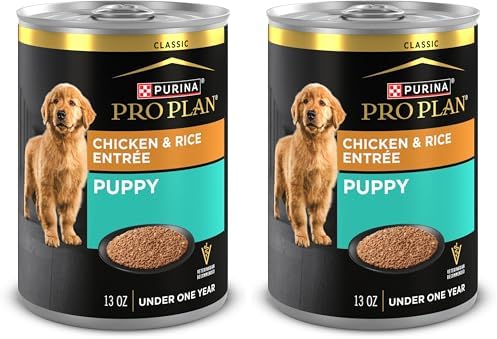
This is the question new owners ask first, so let’s answer it directly: a French Bulldog puppy aged 8 to 12 weeks generally needs about 1.5 cups of quality puppy food per day, split into three meals. From there, the amount shifts with age, weight, and activity.
Exact numbers always depend on the food’s calorie density and your individual pup, so treat the chart below as a starting point and adjust based on body condition, you should be able to feel your puppy’s ribs without seeing them.
| Puppy Age | Daily Food (approx.) | Meals Per Day | Notes |
| 0–6 weeks | Mother’s milk/formula | On demand | Nursing or puppy milk replacer |
| 6–8 weeks | Soft/wet puppy food | 4 | Weaning begins; soften kibble with warm water |
| 8–12 weeks | ~1.5 cups | 3 | Rapid growth; small, frequent meals |
| 3–6 months | ~1.5 cups (adjust up by weight) | 3 | Monitor weight closely |
| 6–9 months | Slight increase, then taper | 2–3 | Drop to 2 meals toward 6 months |
| 9–12 months | Toward adult portions | 2 | Begin transition to adult food |
A second method some owners and raw feeders prefer is feeding by percentage of body weight, roughly 8–10% of body weight at 8 weeks, gradually reducing to 2–3% by adulthood. Both approaches work; the feeding chart on your specific food bag plus your vet’s input should settle the final number.
One breed-specific caution: very small Frenchie puppies can develop low blood sugar (hypoglycemia) if meals are spaced too far apart, which is exactly why three to four smaller meals beat one or two large ones in the early months.
How many calories does a Frenchie puppy need?
Calories are the number behind the cups. As a rough guide, French Bulldogs need somewhere around 25 to 30 calories per pound of body weight per day during active growth, with puppies sitting at the higher end because they’re burning so much energy building their bodies. A small puppy of a few pounds therefore needs far fewer total calories than the bag’s generic chart might suggest, another reason to weigh your pup regularly and adjust.
As your Frenchie matures, calorie needs drop; most adult Frenchies settle around 500 to 750 calories a day. Watching the trend over weeks, rather than obsessing over a single day’s intake, is the practical way to keep growth steady without overfeeding.
Read our Guide Can french bulldog eat potatoes
How Often Should You Feed a French Bulldog Puppy?
Three meals a day is the sweet spot for most Frenchie puppies. Morning, midday, and early evening, roughly the same times each day, builds a routine that also makes potty training far easier.
Younger or very small puppies (around 5 lbs) often do better on four meals to keep energy and blood sugar stable. As your puppy passes the six-month mark, you can taper down toward two meals a day, which is where most adult Frenchies land. Avoid free-feeding, leaving a full bowl out all day. Frenchies gain weight easily, and free-feeding makes it almost impossible to tell whether your pup is eating a healthy amount.
Wet, Dry, Raw, or Fresh, What’s Best for a Frenchie Puppy?
There’s no single winner here. Each food type has real strengths, and the best diet for a French Bulldog puppy often blends them. Here’s an honest breakdown.
| Food Type | Strengths | Things to Watch |
| Dry kibble | Convenient, affordable, good for teeth | Pick small-breed puppy kibble; soften with water for young pups |
| Wet/canned | Hydrating, palatable, easy to eat | Can be richer; watch portions and dental buildup |
| Fresh (gently cooked) | Whole ingredients, easy to digest, supports coat | Pricier; needs refrigeration |
| Raw | High protein, minimally processed | Must be complete and balanced; handle safely; vet guidance advised |
A practical, common setup for a Frenchie puppy is small-breed puppy kibble as the base, with a spoonful of wet or gently cooked food mixed in for palatability and moisture. Picky eaters, and Frenchies can absolutely be picky, often turn their noses up at plain kibble, so mixing in canned food from the same brand (stirred until uniform, so they can’t pick out the good bits) usually does the trick.
Whatever type you choose, it should be formulated for puppies or for all life stages, so the calcium, calories, and DHA match a growing pup’s needs. our best dry dog food picks
A note on the weaning stage
The earliest weeks set the tone. Newborn Frenchies should nurse from their mother or, if needed, take a proper puppy milk replacer, never cow’s milk, which their systems can’t handle. Around 6 to 8 weeks, puppies begin weaning off milk and onto soft food. The gentle way to do this is to introduce wet puppy food, or kibble soaked until mushy, while still allowing some nursing so digestion has time to adjust.
By the time a puppy comes home at 8 weeks, or so, it’s usually ready for puppy kibble, ideally high in protein and fat, fed three times a day. Rushing this transition is a common cause of early stomach upset, so slow and steady wins.
Best Food Brands for French Bulldog Puppies
Several brands come up again and again in vet-informed reviews and breeder recommendations for Frenchie puppies. These are starting points to research, not a one-size-fits-all prescription, the right pick depends on your puppy’s tolerance and your vet’s advice.
- Royal Canin French Bulldog Puppy: a breed-specific formula built around Frenchie growth and even shaped for their jaws.
- Wellness Complete Health Puppy: frequently named as a strong overall puppy pick.
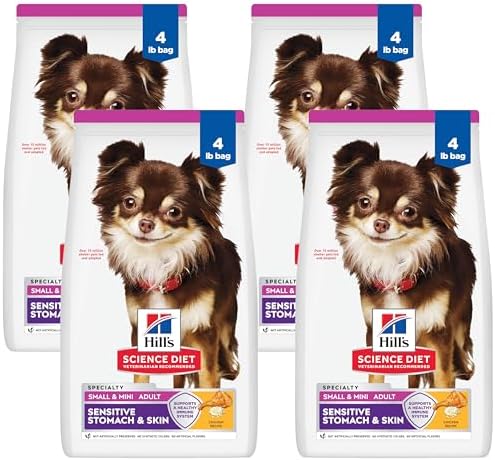
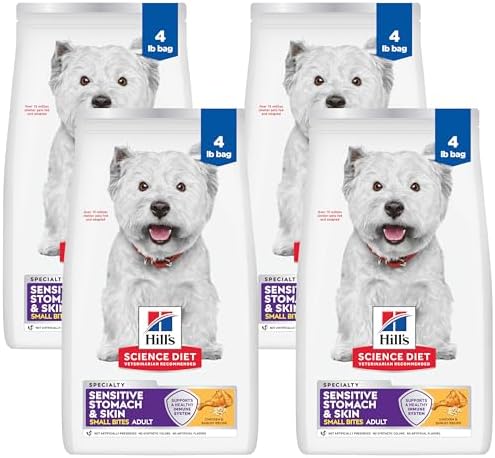
- Hill’s Science Diet: often recommended for sensitive stomachs and backed by veterinary research.
- Fresh-food options like The Farmer’s Dog, Ollie, or Open Farm: for owners who want gently cooked, whole-ingredient meals.
Match the brand to your puppy, not to the marketing on the front of the bag. The ingredient list and the AAFCO statement on the back tell the real story.



What About Allergies and Sensitive Stomachs?
If there’s one thing Frenchie owners learn fast, it’s that this breed has a delicate gut and itchy skin more often than most. Food allergies in French Bulldogs tend to surface between one and three years of age, but the foundation you lay in puppyhood matters.
The usual culprits are corn, wheat, soy, and dairy, along with certain common proteins like chicken or beef. Signs to watch for include itchy skin, paw licking, recurring ear infections, chronic gas, and loose stool. If those show up, a limited-ingredient diet, fewer ingredients means fewer chances for a reaction, is the standard first move, often paired with a novel protein the pup hasn’t eaten before, such as duck, lamb, salmon, or venison.
Omega-3s from fish oil help calm the skin inflammation that often rides along with food allergies, and probiotics and prebiotics support a healthier gut microbiome, which means firmer stool and less gas. If symptoms are persistent, a vet can guide a proper elimination diet rather than guesswork.


Do Frenchie puppies need supplements?
For a puppy already eating a complete, balanced food, most nutrients are covered, and piling on supplements can do more harm than good, especially with calcium, where too much can actually disrupt a growing skeleton. That said, a few extras come up often for the breed under veterinary guidance: fish oil for skin and coat, probiotics for digestion, and later in life, joint support like glucosamine.
The safe rule is simple, check with your vet before adding anything, because a quality puppy formula is designed to stand on its own.


What about treats?
Treats are part of training and bonding, so they’re not off-limits, but in a breed this prone to weight gain, they need a budget. A common guideline is keeping treats to no more than around 10% of daily calories, and counting them toward the day’s total rather than treating them as “free.” Small, single-ingredient options like a piece of plain cooked chicken or a bit of carrot work well, and they sidestep the additives found in some commercial treats.
Foods French Bulldog Puppies Should Never Eat
Some foods are simply dangerous, and a few human favorites can land a Frenchie at the emergency vet. Keep these off the menu entirely:
- Chocolate: toxic to dogs, sometimes fatally
- Grapes and raisins: can cause kidney failure
- Onions and garlic: damage red blood cells
- Xylitol: a sweetener in some peanut butters and sugar-free gum; extremely toxic
- Cherries: pits contain harmful compounds
- Fatty or salty scraps: bacon, deli meat, and fried foods raise the risk of pancreatitis, something Frenchies are already prone to
- Dairy: many Frenchies don’t digest it well, leading to gas and upset stomach
It’s also wise to skip high-carb fillers and artificial colors, preservatives, and flavors, which can trigger sensitivities in an already touchy breed.
When Can a French Bulldog Puppy Switch to Adult Food?
Most Frenchies are ready to start the move to adult food between 9 and 12 months of age. The key word is gradual. A rapid switch is a reliable way to cause an upset stomach.
Start by mixing roughly half puppy food with half adult food, then slowly shift the ratio over a week or two until the bowl is all adult food. Stretching the transition out protects your pup’s digestion and keeps their nutrition steady through the change. Until then, stick with puppy food, even a near-grown Frenchie is still finishing important development and needs those puppy-formula calories and minerals.
Keeping Your Frenchie Puppy at a Healthy Weight
Obesity is one of the most common health problems in the breed, and it starts younger than most owners expect. Portion control is the single most effective tool you have. Measure meals with an actual measuring cup rather than eyeballing them, account for treats in the daily total, and resist those big Frenchie eyes begging between meals.
A simple body-condition check beats any chart: run your hands along your puppy’s sides. You should feel the ribs easily under a thin layer, and there should be a visible waist when you look down from above. If the ribs disappear under padding, it’s time to trim portions a little and check with your vet.
Frequently Asked Questions
How much should a French Bulldog puppy eat per day? At 8 to 12 weeks, about 1.5 cups of quality puppy food daily, split into three meals. Adjust based on the food’s calorie density, your puppy’s weight, and body condition.
How often should I feed my Frenchie puppy? Three meals a day suits most Frenchie puppies, with very small pups sometimes needing four. Around six months, you can taper toward two meals a day.
Is grain-free best for a French Bulldog puppy? Not automatically. Some Frenchies do better grain-free, but well-tolerated whole grains like brown rice and oatmeal add useful fiber. Grain-free matters most when a true grain sensitivity exists — talk to your vet before committing.
What’s the best first food for a weaning Frenchie puppy? Soft or wet puppy food, or kibble softened with warm water, introduced gradually from around 6 to 8 weeks while the pup is still nursing.
The Bottom Line
The best diet for a french bulldog puppy comes down to a handful of habits done well: a complete, high-quality puppy food rich in protein and healthy fats, the right portion split into frequent small meals, careful avoidance of allergens and toxic foods, and steady weight monitoring as your pup grows. Get those right and you give your Frenchie the strongest possible start.
Every puppy is an individual, so use this guide as your framework and let your veterinarian fine-tune the details for your specific dog, especially if allergies, a sensitive stomach, or weight concerns come into play.
This guide is for general educational purposes and isn’t a substitute for veterinary advice. Always consult your veterinarian before making significant changes to your puppy’s diet, particularly if your Frenchie has existing health concerns.
Written by a team that has raised and fed French Bulldogs through puppyhood and worked closely with veterinary feeding guidance, the recommendations here reflect both current canine nutrition standards and real-world experience with the breed’s quirks.

Auston is the founder of Frenchie Nova and a longtime French Bulldog owner. He writes practical, research-backed guides on Frenchie care, feeding, and health. Not a veterinarian — always consult your vet for medical concerns.